Accepted Procedures for Picking Up Bulk Milk at the Farm
Welcome to the Course Preview podcast. I am Sarah, and today we are looking at Bulk Milk Weigher and Sampler Training. I have got James here to walk us through the highlights.
Thanks Sarah. This is a topic that matters to a lot of professionals, and there are some really practical concepts here that people can start using right away.
Let us start with Why Every Step Matters. What should people know?
So why every step matters is where it all starts. A single tank of off-odor milk from one farm can spoil an entire tanker load worth thousands of dollars. Getting this right makes everything else easier.
That makes a lot of sense. Now, what about Grading Milk Quality: Odor and Appearance (Step 1)?
This is a big one. Before any milk is accepted, it must be graded by both appearance and smell. I have seen organizations really struggle when they overlook this.
Moving on to Temperature, Measurement, and Sampling (Steps 2–7), this seems like a big one.
Absolutely. Temperatures above 50°F may indicate a cooling malfunction and potential off-flavor or high bacteria count. This is the kind of thing that separates people who truly know their stuff from those just checking boxes.
And then there is Completing the Pickup and Key Takeaways (Steps 8–10). What are the key points here?
Great question. Step 8: Pumping Milk from Bulk Tanks During pumping, stop the agitator when the milk level drops below the top of the agitator to prevent product loss. The course covers this in depth with hands-on practice, which really makes it stick.
I love how practical this is. This is real knowledge that people can apply on the job right away.
Exactly. And the full course goes much deeper, with interactive exercises, real-world scenarios, and assessments that really test whether you have got it. It is built to make the learning stick.
Great overview. If you want to explore Bulk Milk Weigher and Sampler Training in full, the interactive course is right here. James, thanks for the walkthrough.
My pleasure. Anyone who goes through the full course is going to feel much more confident and prepared.
Why Every Step Matters
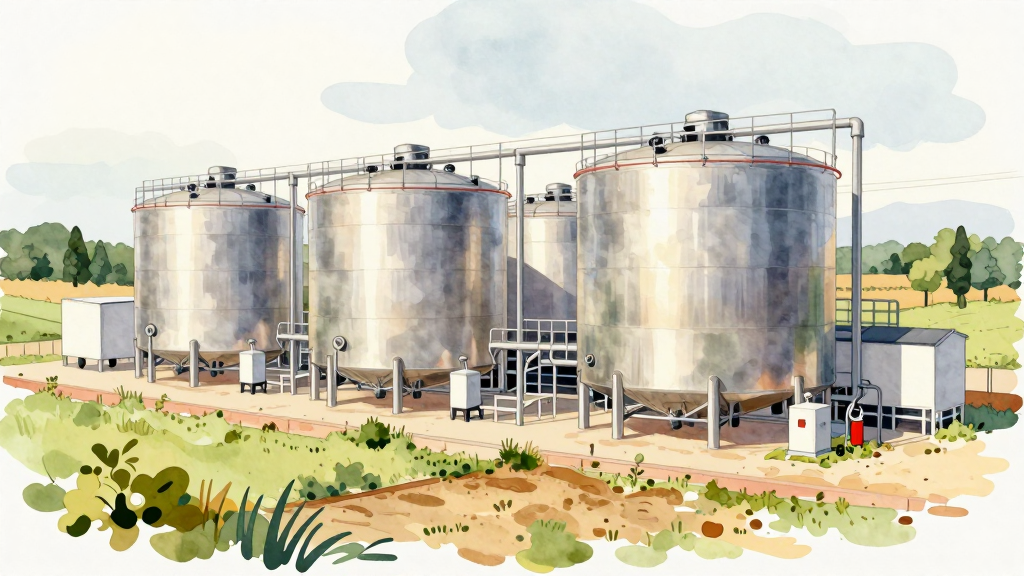
A single tank of off-odor milk from one farm can spoil an entire tanker load worth thousands of dollars. As a licensed bulk milk weigher and sampler in Wisconsin, you are far more than a truck driver — you are the front line of dairy quality control. Under Wis. Admin. Code § ATCP 82, you are legally responsible for grading milk quality, accurately measuring volume, collecting representative samples, and advising producers. A weigher and sampler who fails to follow accepted procedures is in violation of Wisconsin law and subject to license revocation. This lesson walks you through the 10 critical steps for picking up bulk milk at the farm, from the moment you open the tank hatch to the moment you drive away.
Grading Milk Quality: Odor and Appearance (Step 1)
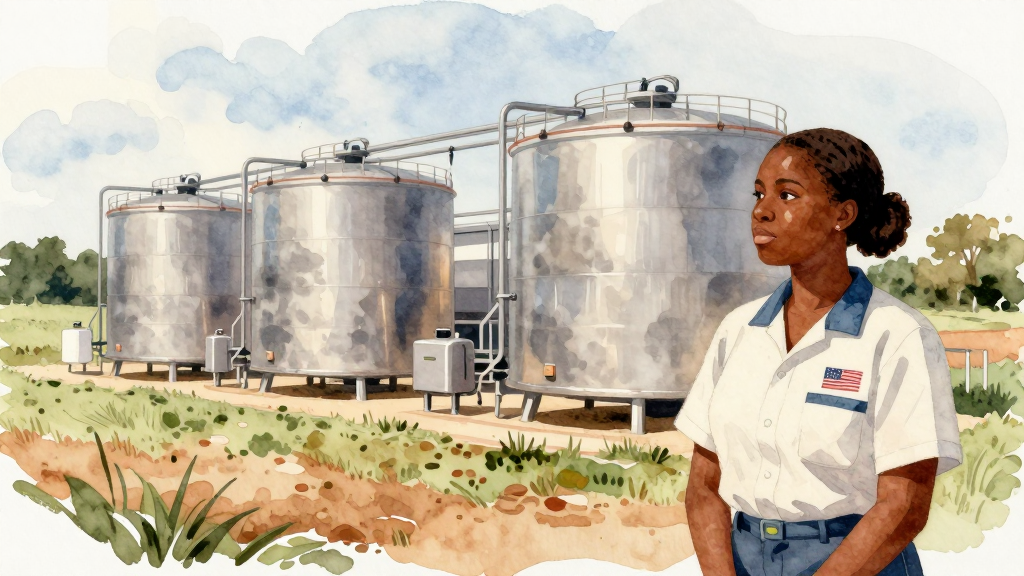
Before any milk is accepted, it must be graded by both appearance and smell. When checking for odor, open the port opening or raise the hatch just long enough to detect a possible off-odor. If any off-odor is detected, the milk must be rejected. If there is any doubt about acceptability, contact a representative of the receiving plant before pumping milk into the bulk truck tank.
Never taste raw milk due to the bacterial significance of untreated milk. However, understand that if off-odors are present, off-flavors are too. The most common off-odors found at the farm include:
- **Feed flavors** — caused by silage fed during or just before milking; enter through the digestive system, respiratory system, or direct absorption. Research shows feed flavors are most pronounced two hours after feeding.
- **Weedy flavors** — from bitterweed, carrot weed, ragweed, wild onion, and similar plants.
- **Rancid flavors** — described as bitter, soapy, or cowy; caused by lipase enzymes releasing free fatty acids. Can be spontaneous (late lactation, mastitis) or induced (agitation with air, rewarming above 50°F, freezing).
- **Barny and unclean flavors** — from unclean milking procedures, dirty equipment, or poor ventilation.
- **Bacterial flavors** — bitter, malty, medicinal, or sour tastes from excessive bacterial growth due to poor sanitation.
- **Salty flavors** — typically from mastitic cows or cows in late lactation.
- **Foreign flavors** — from chemical sanitizers, udder ointments, paint, fly spray, or medicine.
For appearance, lift the entire lid of the bulk tank and observe the milk surface. Reject any milk containing visible foreign matter such as dust, insects, blood, chemicals, or other abnormal material. Also watch for signs of churning (butterballs), freezing, or foaming — these must be reported to both the farmer and the receiving plant field representative.
You arrive at a farm and detect a slight off-odor when opening the bulk tank hatch. What should you do?
Temperature, Measurement, and Sampling (Steps 2–7)
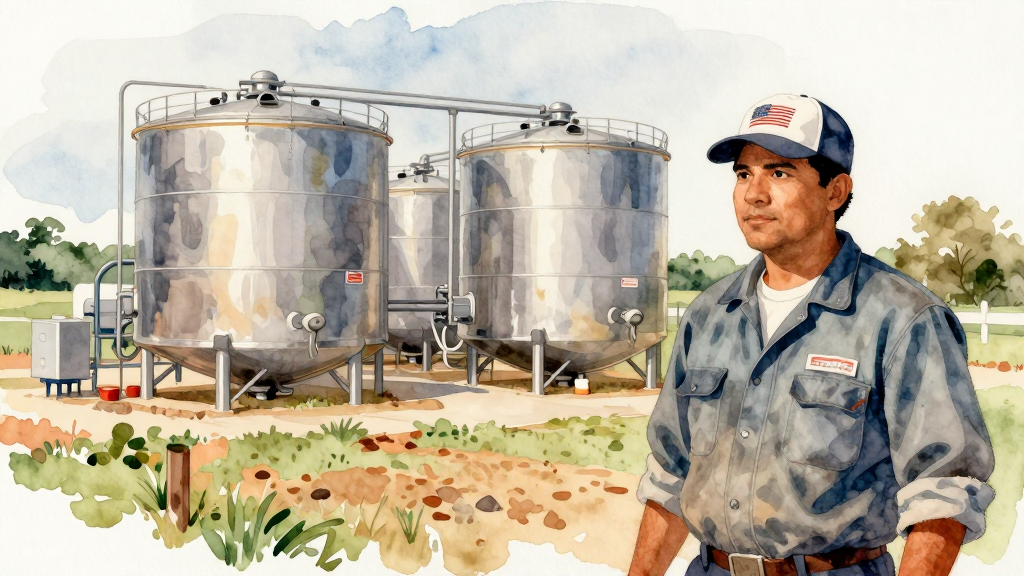
Step 2: Reading and Recording Temperature Milk in excess of 45°F (7.2°C) shall be rejected unless it was collected within two hours after milking, in which case the blend temperature may not exceed 50°F (10°C). Temperatures above 50°F may indicate a cooling malfunction and potential off-flavor or high bacteria count. You must carry a dial thermometer accurate to ±2°F, calibrated every six months. Sanitize the thermometer stem in 100–200 ppm chlorine solution before each use. Check the farm's bulk tank thermometer against your pocket thermometer at least once per month, and maintain a record in the milkhouse.
Step 3: Washing Hands After examining the milk and attaching the hose (through the hose port opening, never the milkhouse door), wash and dry your hands immediately — before measuring or sampling. Every milkhouse is required to have handwashing facilities. Your hands must be clean whenever handling milk or milk contact surfaces.
Step 4: Measuring the Milk Use a graduated measuring rod to determine volume. The surface of the milk must be completely motionless — you may need to wait up to 10 minutes after the agitator is turned off. Use a dry, clean stick at approximately room temperature (65–70°F). If foam is present, gently move it away with the rod before inserting. Read to the nearest graduation mark; if the reading falls exactly midway between two marks, record the even number per National Institute of Standards and Technology guidelines. Convert the reading to pounds using the manufacturer's chart immediately after taking the reading.
Step 5: Agitating the Milk Before sampling, agitate the milk for at least 5 minutes for tanks under 1,500 gallons, and at least 10 minutes for tanks 1,500 gallons and over (or as specified by the tank manufacturer). Proper agitation ensures a representative sample for butterfat and bacteriological testing. Check your watch when turning on the agitator. Abnormally high butterfat test results may indicate insufficient agitation time.
- Identify each container with patron number and date
- Rinse the dipper at least twice in the milk before sampling
- Fill containers to approximately 2/3 full — do not overfill
- Do not sample frozen, partially frozen, lumpy, curdled, or churned milk
- At the first stop of each load, take a second sample labeled "temperature control" with patron number, date, time, temperature, and your initials
Step 7: Refrigerating the Sample Promptly place samples in an insulated case and maintain temperature at 32–40°F (0–4.4°C) until delivery. Use a rack to keep containers upright. Ensure ice water is slightly above the milk level in the container, but never fully submerge the vial.
How long must milk be agitated before taking a sample from a bulk tank that holds 2,000 gallons?
Completing the Pickup and Key Takeaways (Steps 8–10)
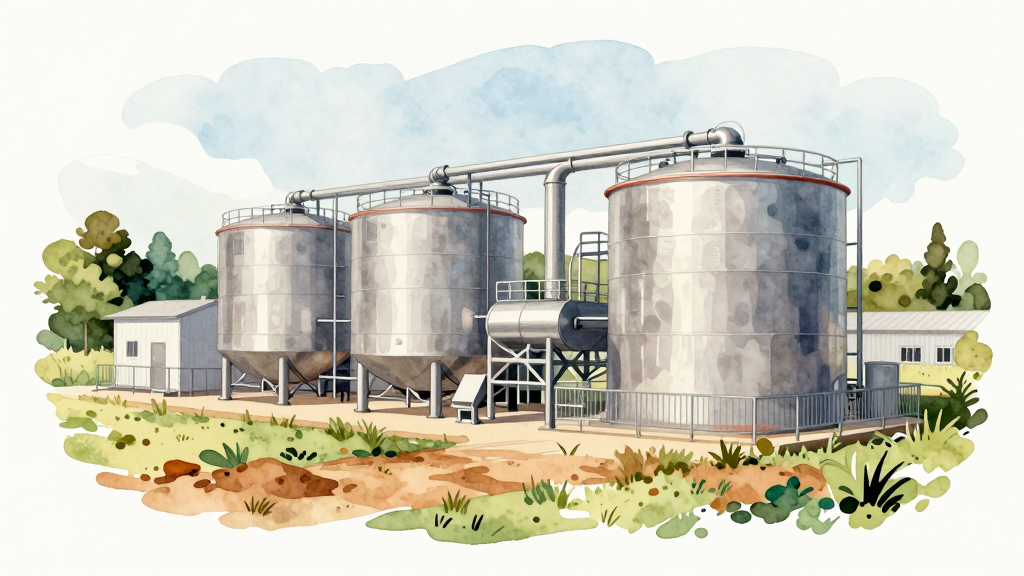
Step 8: Pumping Milk from Bulk Tanks During pumping, stop the agitator when the milk level drops below the top of the agitator to prevent product loss. All milk must be removed from the tank before the producer adds any additional milk, unless the tank meets partial removal requirements under Wis. Admin. Code § ATCP 82.10(11)(am) — which requires a seven-day recording device, cleaning when emptied, emptying at least every 72 hours, and the weigher and sampler noting the time and date on the recorder chart. Milk may only be collected from a farm milk bulk tank, not from any other container.
Step 9: Disconnecting the Hose Always disconnect the tanker hose before rinsing the tank. This prevents adulteration of the milk with rinse water — a critical compliance step.
Step 10: Rinsing the Bulk Tank Rinse the entire inside of the farm bulk tank — including covers and bridge — with cold or lukewarm water. While rinsing, check the bottom for sediment, churned fat, and coagulated or precipitated milk solids. Report any abnormalities to the producer and the receiving plant's field staff. Any evidence that the tank was not properly washed after the last collection must be reported. Before leaving: rinse the outside of the tank and milkhouse floor, store the water hose off the floor, turn off all lights, and close the milkhouse door.
Key Takeaways
- **Grade before you pump** — reject any milk with off-odors, abnormal appearance, or visible foreign matter. When in doubt, call the plant first.
- **Temperature compliance is non-negotiable** — reject milk above 45°F (7.2°C), with a narrow exception for milk collected within two hours of milking (blend temperature up to 50°F).
- **Accurate measurement requires patience** — wait for a motionless surface, use a clean dry stick at room temperature, and read to the nearest graduation.
- **Proper agitation ensures fair payment** — 5 minutes for tanks under 1,500 gallons, 10 minutes for tanks 1,500 gallons and over.
- **Aseptic sampling protects the entire supply chain** — sanitize your dipper, label every container, and refrigerate samples at 32–40°F immediately.
- **Disconnect before rinsing** — prevent water adulteration of milk in the tanker.
- **Document everything** — record date, time, producer ID, temperature, stick reading, weight conversion, your signature, license number, and expiration date on duplicate weight tickets.
Failure to follow any of these procedures can result in revocation of your Wisconsin bulk milk weigher and sampler license under Wis. Admin. Code § ATCP 82.
Which of the following actions could result in revocation of a bulk milk weigher and sampler license?